Kirkfield Excursion

A chance encounter put me on an irrational trail yesterday … and it’s been a lot of unjustifiable fun. While visiting the Art Gallery of Peterborough, I asked the opinion of the only other person in the exhibition, Theresa. That conversation led to others, and it was a great talk which inspired. Since we had …

Read more …

New Local Colour Map Underway

I’m busy at work today exploring the local colours of Eldorado, Ontario. This is a place that I’ve visited many times over the years and I love the colour that comes from this location. Over the past few days, I’ve managed to take the natural ochre from this community and subject it to temperatures ranging …

Read more …

True Blue

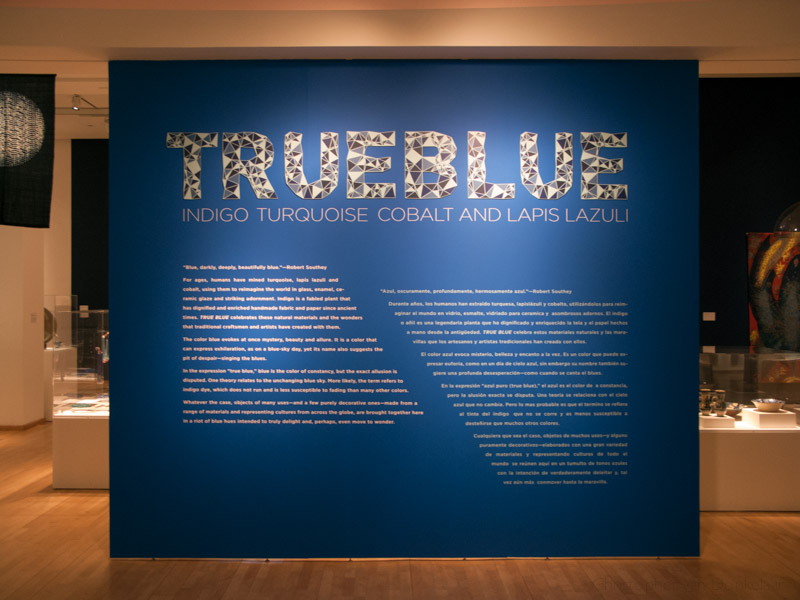
Before leaving San Diego, I had the chance to attend the True Blue exhibition currently happening at the MinGei Gallery in Balboa Park! The show explores the colour blue by categorizing works into four materials: Indigo, Turquoise, Cobalt and Lapis Lazuli. The pieces on display are all beautiful, functional, and mostly from anonymous sources, which …

Read more …

Folded map (and the beginning of my ConestogA spidergram)

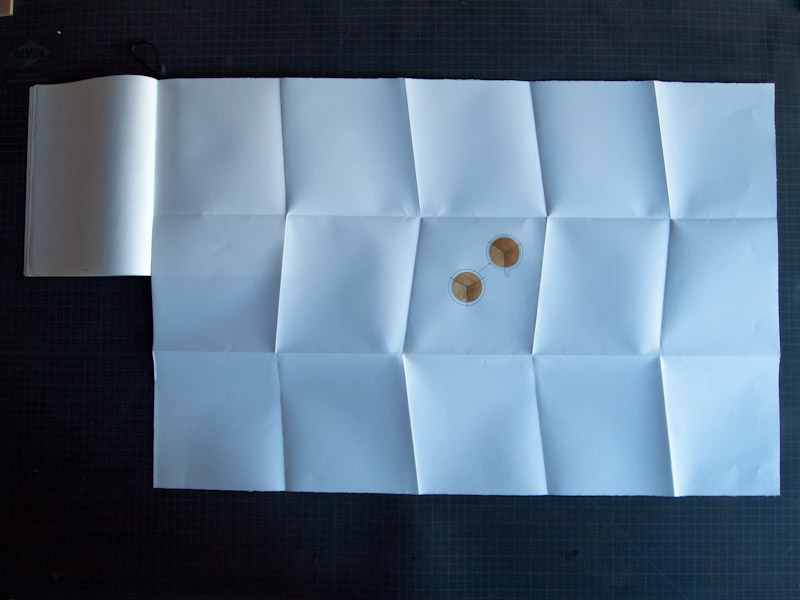
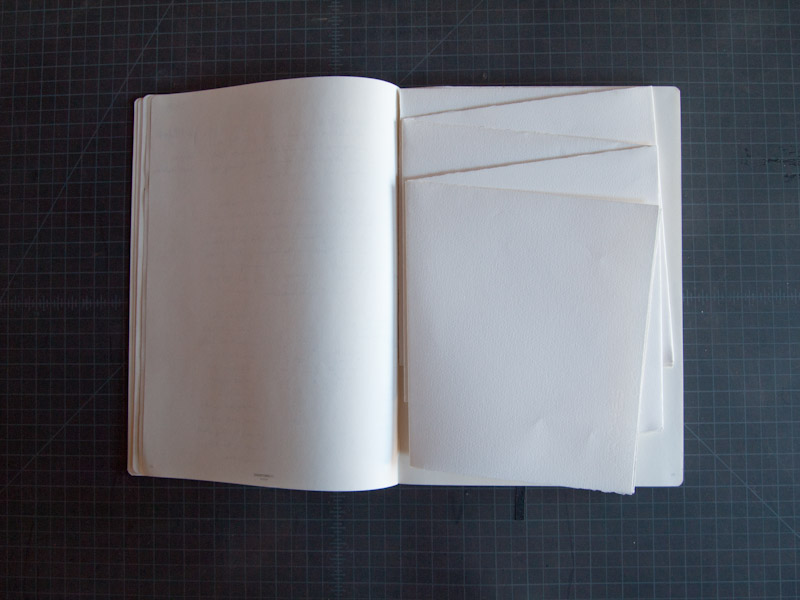
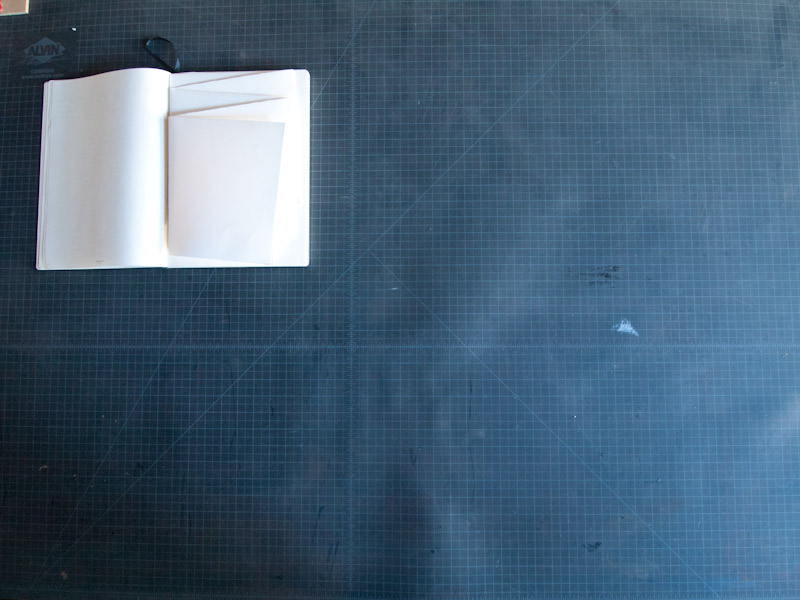
It seems funny that after completing so many local-colour spidergrams I still haven’t made one for my village of Conestoga. I decided this week that I needed to put that wrong to right, and to do so I also wanted to incorporate an additional component for this work: the ability to fold it up!

I tend to make use of my notebooks quite extensively—ideas for future work, conversations, and little discoveries all end up in it. What I also wanted was the ability to include my spidergram work, but to do so I needed a way to compact the work into a book. Folding up my spidergrams also takes them in the direction of creating them as maps (which I have been playing with for some time now …).

But it wasn’t until I came across the work of Japanese astrophysicist Koryo Miura, who created a “map folding” method for deploying solar panels on space satellites. With it’s clever design, a map folded in this way remains ridge when open (because of the direction of the folds) and is easily opened by tugging on a single corner of the sheet. Using this method as my starting point enabled me to create a folding map that I think is visually interesting and structurally superior to traditional folded maps.

Now that I have the map ready, I can begin work on my Conestoga spidergram!
* With the new year beginning, I’ve been thinking about the purpose of my blog. In the past I’ve shared details of creating my icons and some articles I think are interesting, but this year I intend to post something each week about a little side experiment. In the past couple of months I’ve begun to receive the odd bit of dirt in the mail (which might have colour inside …) or find myself needing a specific pigment for a special project. These post might not always lead to successful results, but I’ve found the work rewarding in its own way and I hope these details prove interesting to others.

Finished a Pigment Map

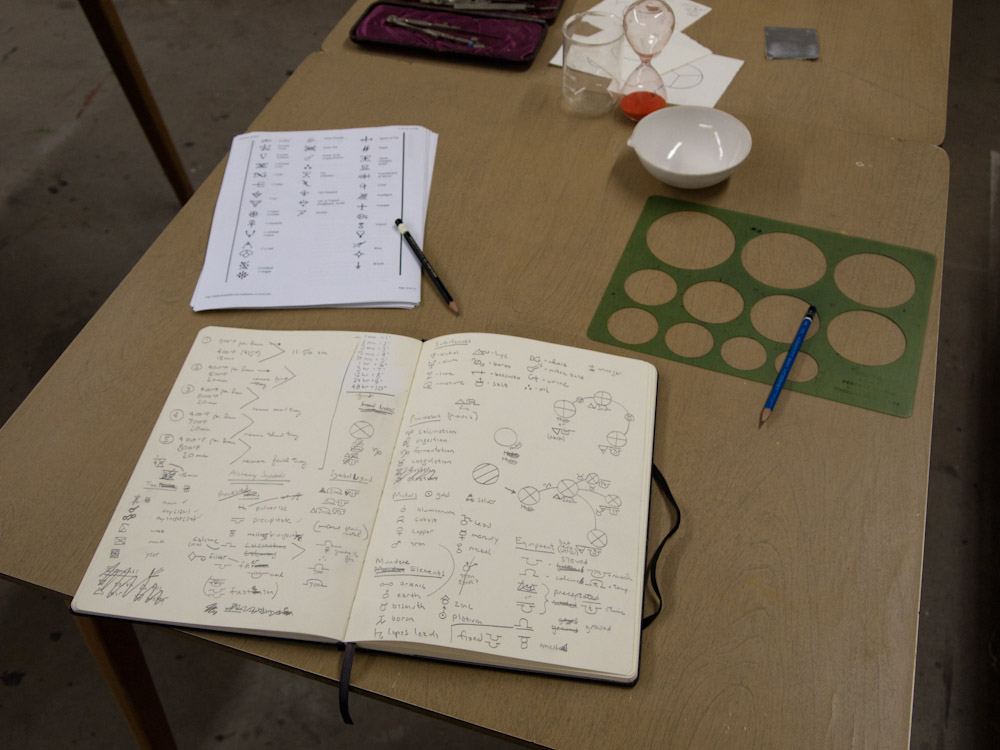
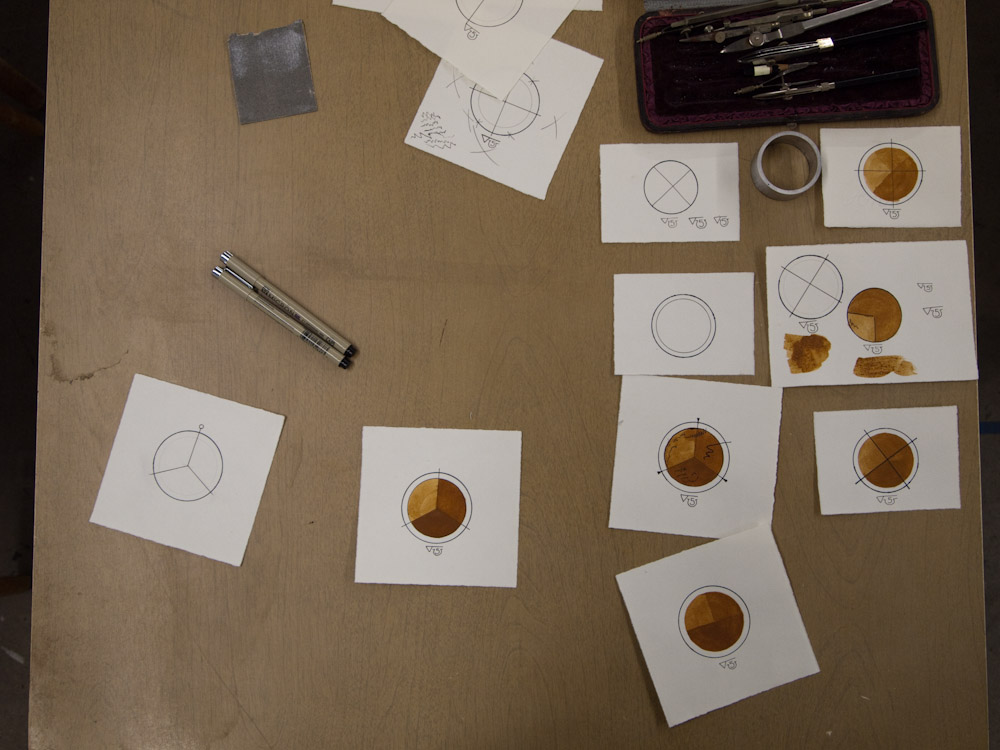
The map began with a coarse, pulverized rock sample from Eldorado at its centre and then expanded in whichever direction I decided to investigate based on colour changes, or opacity, or just plain instinct; colours being simply recorded as they were created. This was investigated only using four techniques: sieving, calcifying, precipitating, or grinding, and each of these processes was marked with its own symbol (roughly based on those used in ancient alchemy). The distances between each colour sample were used to indicate the passing of time and its duration.

What I like about these maps is that, while the final outcome remains a mystery during the process, returning to any colour afterward is a simple matter of following the mind-mapping trail.  This allows for unfettered freedom in the investigation of a place’s sample, but also provides an accurate record for future use in recreating a specific colour again.

I’m looking forward to creating many more of these maps. As an example, for the exhibition at the former MMX space in Berlin this summer, I hope to install a set of these maps based on soil and rock samples from the local region. From these local colour centres, who knows what I’ll find! I think of this pigment map idea as a seed—I’m looking forward to watching it grow.

Working on Pigment Maps

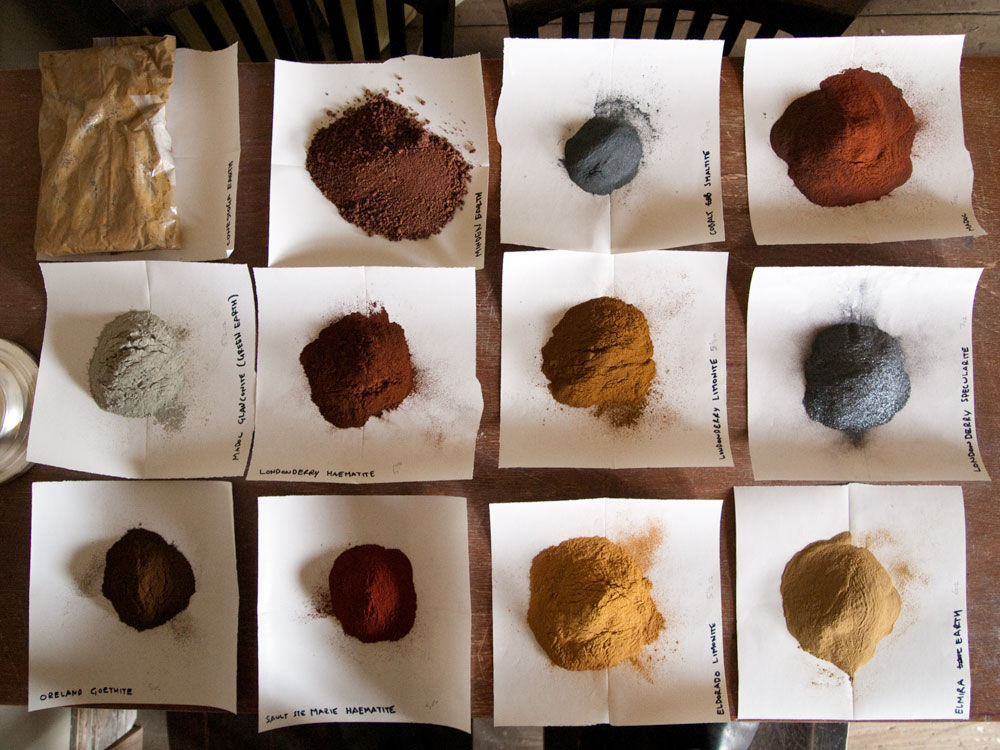
Ground pigment samples

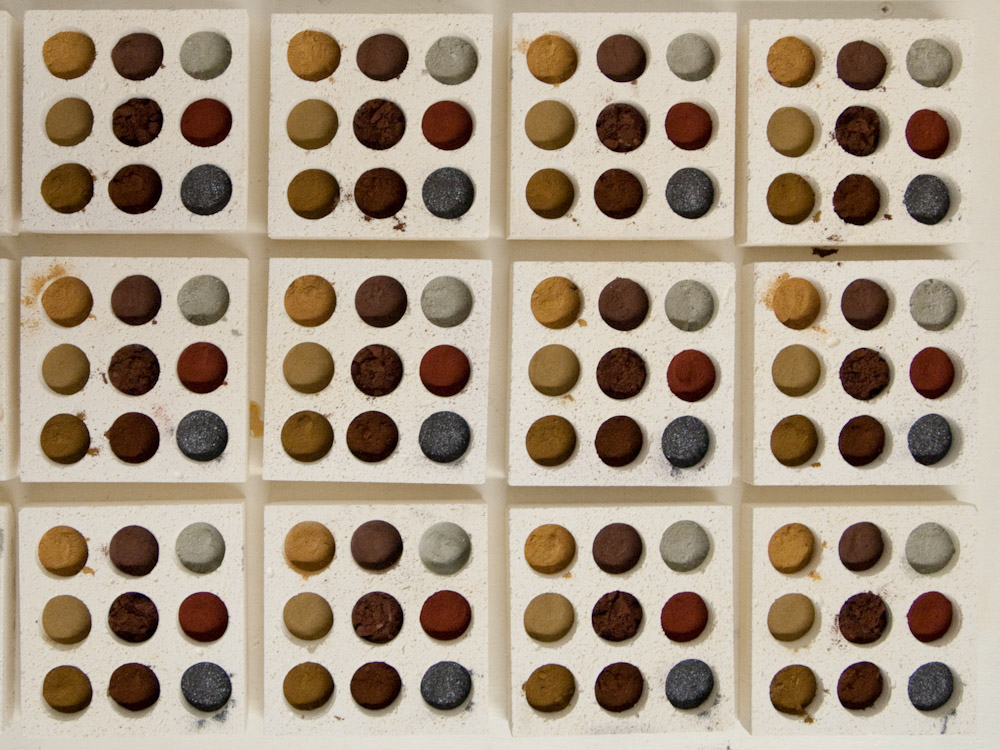
The firing of my local rock and soil samples was only the first step in creating colours for my pigment maps—next comes grinding! Every soil sample from every set needs to be ground so that it can be made into paint (a single set of ground pigments is photographed here). I think it’s amazing how …

Read more …

Unheated Pigment Samples

The best thing about Globe Studios in Kitchener, Ontario is the artists! In order to heat a number of different pigments, I was looking at an awful lot of work (typically it takes me 8 hours for each sample). With being down to the last month left of my studies, I wasn’t sure how I …

Read more …

From Rocks to Powder

Spending an afternoon crushing different rocks to make pigment powder is very rewarding to me. As I handle each rock I remember the place and its people, which I enjoy, and the resulting colour is oftentimes a surprise. Here’s what today reminded me of and revealed.

Forming Pigment Maps

I’m only just beginning to envision what the paper pigment maps might be. But, to give a rough idea of what I’m thinking about, here’s an example I was working on this morning. This feels good. I feel like I’m creating something that is part of my own art praxis. I see these maps maybe …

Read more …