Pigmented Photo Prototype

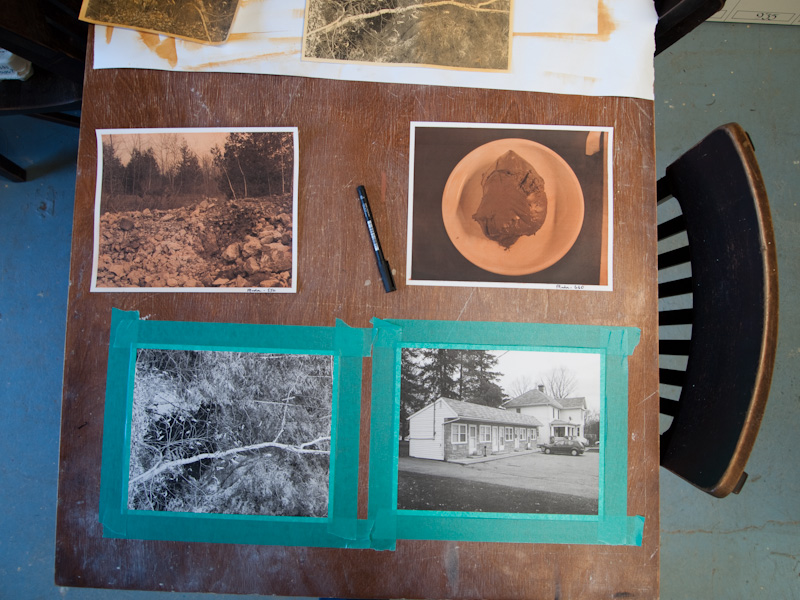
Part of my year’s proposal currently talks about creating, “a variety of artworks that focus on the adventure behind creating colour”; with that in mind, I’m trying something new … Last year, a number of people commented on how much they liked the photographs I typically take when I’m out collecting my rocks. They also …
Read more …

Potential Colours Work

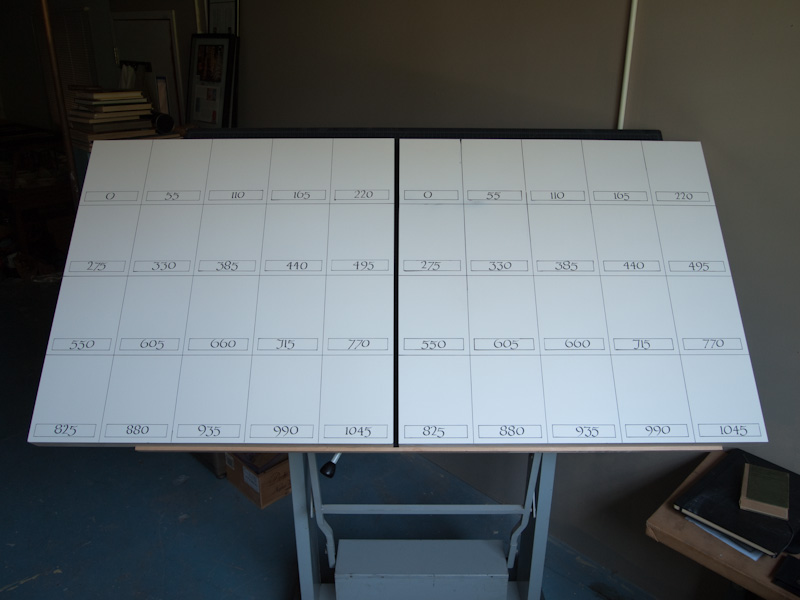
With an interesting colour range created from my Madoc rock, the question before me was, “What’s next?”. What could I create that would show the interesting progression (and the rock’s potential) that resulted from this processing? My first inspiration comes from the colour palette cards that I typically create for myself. But in the case …

Read more …

Exploring Potential Colours

Today I got to work exploring the colour potential of two different rocks I collected last year: Lemonite from Madoc and Annabergite from Cobalt. Using intervals of 100°F, samples from both rocks were put into a small kiln and held there to change their colour (this is an old, primitive process that goes back to …

Read more …

A Little Collection Shelf

I decided to slap together a shallow shelf in the corner for old jars that I recently received as left-overs from an estate sale. This small addition to my space will hopefully act as a catalyst for this year’s Transart’s work. As I am putting odds and ends into the jars, I am also beginning …

Read more …

Petroglyphs Provincial Park

Returning home after three weeks in Berlin results in a real need to give my children some “daddy-time”; so, after letting my feet rest for a week, I was off again. We decided to head up to Peterborough to enjoy a week visiting the local attractions: the Zoo, the Canoe Museum, and Petroglyphs Provincial Park …

Read more …

Prepping new colours

I’m now working on the second icon of my St. Barbara series; this one will be from outside Madoc, Ontario. The colours from this location are much brighter than from Cobalt, and offer a naturally occurring yellow ochre and a beautiful Indian red. But I’ve come to realize that I am missing a good brown …

Read more …

Cone 10 Pigment Results

In retrospect, it all makes sense: When creating cast iron, you put iron oxide into an oxygen-less environment and heat it up at around 2400 °F (1300 °C). And when I removed my test batches of mostly ochre pigments (all iron oxide based) from the kiln heated to within these specifications, I found that most of it …

Read more …

Cone 10 Pigments

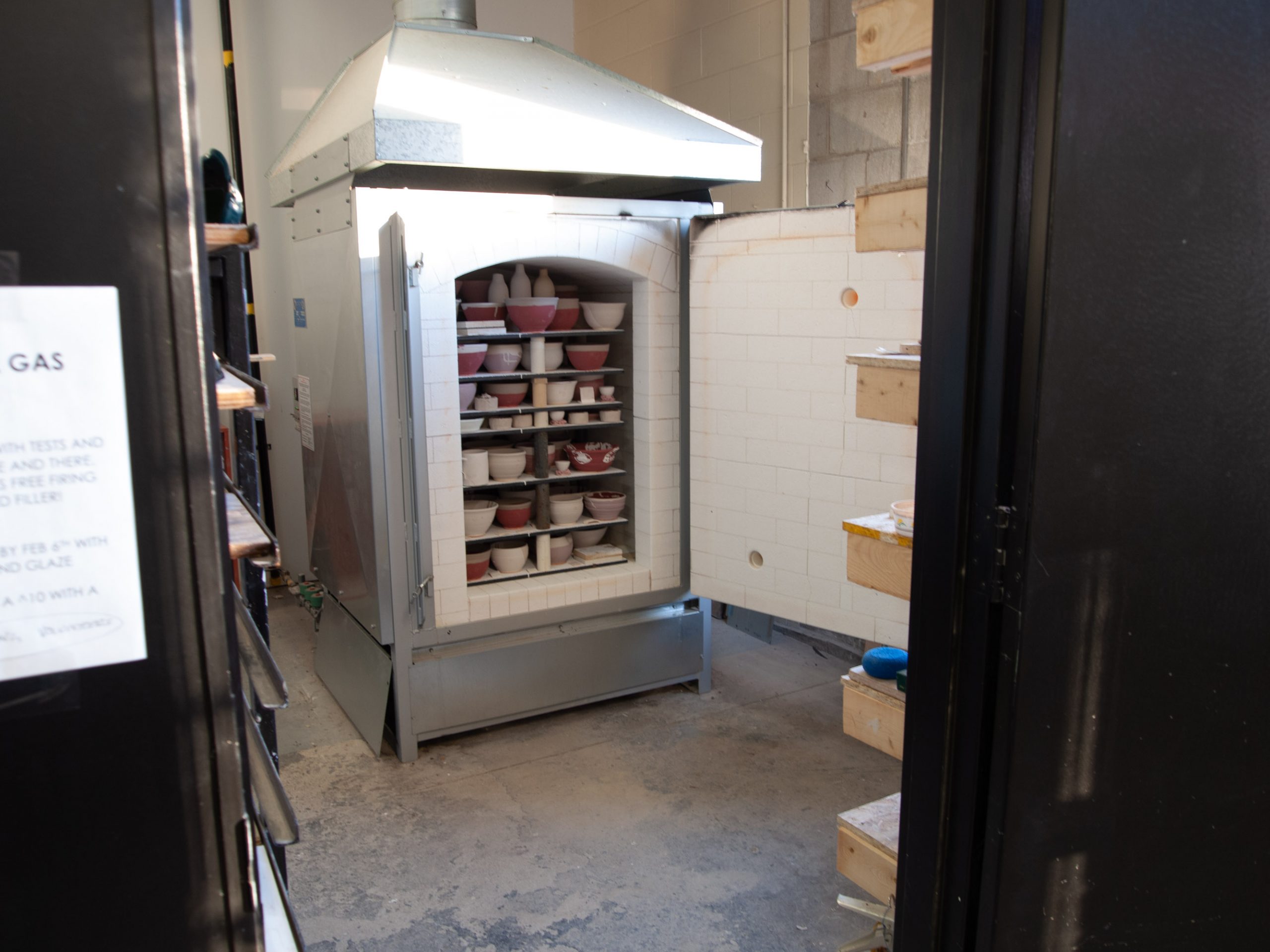
When I saw the sign in the window of S & S Pottery Supplies asking for fill in an upcoming cone 10 gas firing, I knew that I had to get something ready … The opportunity to subject samples of my collected pigments to almost 1300°C (2400°F) in an oxygen-less environment was pretty exciting. In …

Read more …

Going hotter with Firing Pigments

While it has been good to see the colour changes that can happen when applying heat to the iron-based ochres, this controlled fashion has limits for me. Without pushing things, I can get the pigment samples up to about 1100 °C (roughly 2000 °F) and this gets me well into the brown range of colour. …

Read more …

Pine Trees

With the introduction of crows, I’ve begun to realize that what is drawing me to these birds is their connection to my childhood memories. The other strong connection I can remember is to red pine trees. As a child, I spent countless hours under these trees playing, and since this project is focused on trees, …

Read more …